
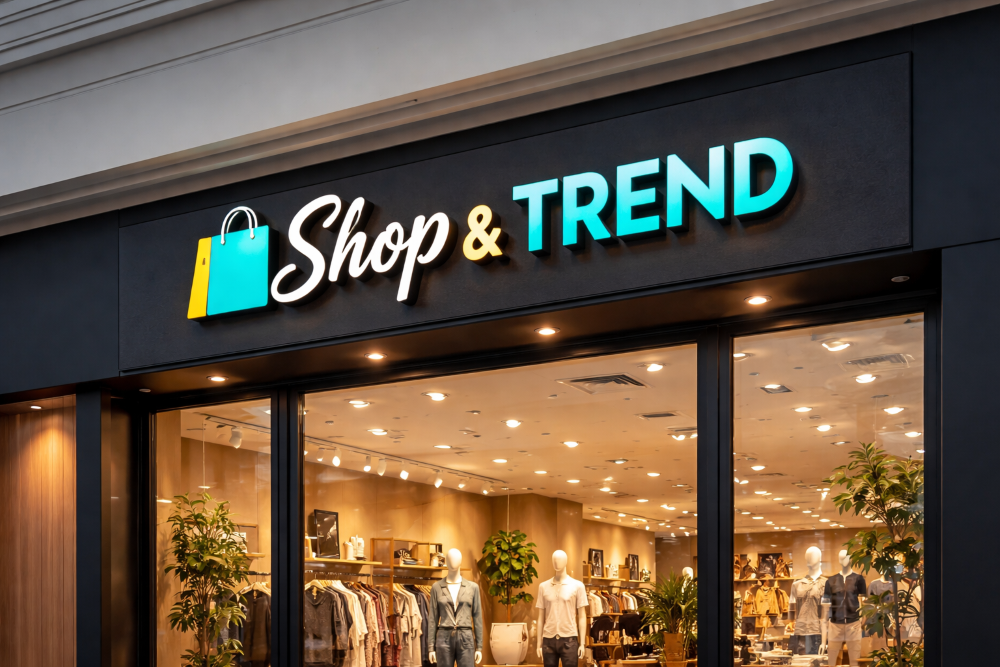
Retail Signage Guide for Johannesburg stores
Retail signage transforms your store into a powerful marketing tool. It attracts customers, communicates your brand identity, and drives sales in Johannesburg’s competitive retail landscape. However, selecting the right signage requires careful consideration of materials, strategic placement, and understanding the return on investment.
This comprehensive guide explores everything you need to know about retail signage. You’ll discover which materials work best for Johannesburg’s climate, where to position signs for maximum impact, and how to calculate the ROI of your signage investment.
Understanding Retail Signage and Its Impact on Your Business
Retail signage serves as your store’s silent salesperson. It works around the clock to attract foot traffic, guide customers through your space, and reinforce your brand message. Studies show that effective signage increases customer awareness by up to 85%.
Your signage creates the first impression potential customers have of your business. A well-designed storefront sign can make the difference between a passerby stopping to browse or walking straight past your store. In busy Johannesburg areas like Sandton, Rosebank, and Fourways, standing out from competitors becomes crucial.
Quality signage also builds credibility. Customers associate professional, well-maintained signs with trustworthy businesses. This perception influences their purchasing decisions before they even step through your door.
Essential Types of Signage Every Retail Store Needs
Exterior Signage Solutions
Your exterior signage announces your presence to the world. Building signage includes fascia signs, projecting signs, and awning signs that identify your business from the street. These signs must withstand Johannesburg’s intense UV exposure and occasional severe weather.
Illuminated signage extends your visibility beyond business hours. LED signs and backlit channel letters ensure customers can find your store even after sunset. This feature proves particularly valuable for retailers in high-traffic evening areas like Melrose Arch or Hyde Park Corner.
Window graphics maximize every square meter of glass frontage. Window graphics showcase promotions, communicate opening hours, and create visual interest without blocking natural light. Perforated vinyl allows one-way visibility while maintaining privacy.
Interior Signage That Guides and Sells
Floor graphics direct customer flow and highlight special offers. These anti-slip decals withstand heavy foot traffic while guiding shoppers toward featured products or sale sections. They prove especially effective in large retail spaces where navigation helps the shopping experience.
Wallpaper and graphics transform blank walls into brand experiences. Custom wall murals create Instagram-worthy backdrops that encourage social sharing. They also communicate brand values and create emotional connections with customers.
Point-of-sale signage drives impulse purchases. Shelf talkers, wobbler signs, and counter displays highlight products at critical decision points. Research indicates that effective POS signage can increase sales of featured items by up to 20%.
Promotional and Temporary Signage
Banners and posters offer flexibility for seasonal campaigns. Pull-up banners announce sales events, while vinyl banners create impact at store entrances. Their temporary nature allows retailers to refresh messaging frequently without significant investment.
Digital signage provides dynamic content capabilities. LCD screens display rotating promotions, product demonstrations, and social media feeds. This technology appeals to tech-savvy shoppers and allows real-time content updates.
Choosing the Right Materials for Johannesburg’s Climate
Weather-Resistant Outdoor Materials
Aluminum composite panels deliver exceptional durability for exterior signage. These lightweight panels resist Johannesburg’s intense summer heat and winter cold. They maintain color vibrancy under direct sunlight and require minimal maintenance.
Acrylic offers versatility for both illuminated and non-illuminated applications. It resists yellowing better than other plastics and provides excellent clarity for backlit signs. The material tolerates temperature fluctuations common in Gauteng’s climate.
Powder-coated steel provides maximum longevity for monument signs and structural elements. The coating protects against rust and fading while offering unlimited color options. This material suits retailers seeking permanent, high-impact installations.
Premium Interior Materials
Vinyl graphics dominate interior applications due to their versatility. According to SignsNow, vinyl adheres to almost any smooth surface and comes in removable or permanent adhesive options. This flexibility allows retailers to update graphics seasonally.
Frosted window film adds sophistication while creating privacy. It diffuses natural light beautifully and provides an upscale appearance for boutique retailers. The film also reduces glare on merchandise displays.
Direct-to-substrate printing on materials like foamboard, PVC, and acrylic creates premium finished products. These materials offer rigidity for freestanding displays while maintaining professional aesthetics.
Strategic Placement for Maximum Visibility and ROI
Optimizing Exterior Sign Placement
Position your primary fascia sign at the highest permitted height. Visibility from distance increases exponentially with elevation. In Johannesburg’s suburban shopping areas, signs visible from major roads attract drive-by traffic.
Consider sightlines from multiple angles. Pedestrians, drivers, and parking lot visitors all require clear visual access to your signage. A well-placed sign should remain visible from at least 100 meters away.
Comply with municipal regulations while maximizing impact. Johannesburg’s signage bylaws vary by suburb, so research requirements early. Professional building signage specialists navigate these regulations effectively.
Interior Placement Psychology
Eye-level placement captures maximum attention. Position critical messages 1.5 to 1.7 meters from the floor. This height range aligns with average adult eye levels and ensures comfortable viewing.
Create a visual hierarchy throughout your store. Larger signs mark major sections while smaller directional signs guide detailed navigation. This layered approach prevents information overload while maintaining clarity.
Place promotional signage near decision points. Position sale announcements where customers pause naturally, such as fitting room areas or checkout queues. This strategic timing influences purchasing behavior.
Traffic Flow Considerations
Analyze customer movement patterns within your store. Heat mapping studies reveal popular paths and dwelling areas. Place high-value messaging along these routes for maximum exposure.
Use signage to redirect traffic to underutilized areas. Directional arrows and enticing graphics can draw customers to back sections or upper floors. This strategy increases product exposure across your entire retail space.
Balance information density carefully. Too many signs create visual clutter while too few leave customers confused. According to the International Sign Association, optimal signage density allows customers to find information easily without feeling overwhelmed.
Calculating ROI: How Signage Pays for Itself
Measuring Direct Sales Impact
Track sales increases of promoted items. Compare sales data before and after installing promotional signage. Many retailers report 15-30% increases for well-signed products.
Monitor foot traffic changes using entry counters. Quality exterior signage demonstrably increases walk-in customers. Even a 5% traffic increase can significantly impact monthly revenue.
Calculate customer conversion rates. Well-designed wayfinding and product signage reduce confusion and abandonment. Customers who easily find products purchase more frequently.
Assessing Long-Term Value
Quality signage lasts 5-10 years with proper maintenance. Divide total signage investment by expected lifespan to determine annual cost. This figure often represents less than 1% of annual revenue for most retailers.
Compare signage costs to other advertising channels. A permanent exterior sign provides 24/7 advertising without recurring monthly fees. Unlike digital ads that stop when payment ends, signage continues working indefinitely.
Consider brand equity improvements. Professional signage elevates brand perception and justifies premium pricing. Customers willingly pay more at businesses that appear established and professional.
Cost-Effectiveness Analysis
Entry-level vinyl signage offers the lowest initial investment. Simple window graphics or floor graphics can cost as little as R2,000 while delivering measurable results.
Mid-range illuminated signage balances cost and impact. LED channel letters typically range from R15,000 to R50,000 depending on size. They provide premium appearance while maintaining reasonable energy costs.
Premium materials like stainless steel or custom 3D elements represent significant investments. These options suit high-end retailers where signage must reflect exceptional quality. The investment often pays dividends through enhanced brand positioning.
Design Principles for Effective Retail Signage
Typography and Readability
Select fonts that match your brand personality while ensuring legibility. Sans-serif typefaces generally read better at a distance. Avoid decorative fonts for critical information like business names or directions.
Size text appropriately for viewing distance. As a rule, text height in centimeters should equal 1% of viewing distance in meters. A sign viewed from 20 meters requires 20cm tall letters for optimal readability.
Maintain adequate contrast between text and background. Dark text on light backgrounds or light text on dark backgrounds ensures visibility across lighting conditions. Avoid low-contrast combinations that strain eyes.
Color Psychology in Retail
Red creates urgency and stimulates impulse purchases. Many retailers use red for sale signage because it triggers excitement and action. However, overuse can create visual fatigue.
Blue conveys trust and stability. Banks and professional services favor blue signage to communicate reliability. This color works well for businesses building long-term customer relationships.
Yellow attracts attention but use it sparingly. High-visibility yellow works for warning signs or accent elements. Extensive yellow surfaces can appear overwhelming or cheap.
Brand Consistency Across All Touchpoints
Maintain visual consistency between signage and other marketing materials. Your signs should reflect your website design, business cards, and packaging. This consistency reinforces brand recognition and builds trust.
Develop a comprehensive brand guidelines document. Specify exact Pantone colors, approved fonts, logo usage rules, and spacing requirements. These standards ensure consistency across multiple signage installations.
Installation and Maintenance Best Practices
Professional Installation Matters
Hire certified installers for exterior signage projects. Professional installation ensures structural safety, weatherproofing, and compliance with building codes. DIY installations often void warranties and create liability issues.
Coordinate installation timing to minimize business disruption. Many installers work after hours or during slow periods. Plan installations during less busy seasons when possible.
Obtain necessary permits before installation begins. Johannesburg municipal requirements vary significantly by location. Professional signage companies like Brandoll Branding handle permit applications as part of their service.
Regular Maintenance Schedules
Clean exterior signs quarterly to maintain appearance. Johannesburg’s dust and pollution accumulate quickly on signage surfaces. Regular cleaning prevents permanent staining and extends sign life.
Inspect illuminated signage monthly for burnt bulbs or electrical issues. LED systems require less maintenance than traditional lighting but still need periodic checks. Address failures promptly to maintain professional appearance.
Refresh vinyl graphics every 3-5 years. Sun exposure gradually fades even high-quality vinyl. Plan for periodic updates to maintain vibrant colors and sharp graphics.
Common Signage Mistakes to Avoid
Overcrowding with Information
Limit text to essential messages only. Customers won’t read paragraphs on retail signage. Focus on headlines that communicate key benefits in 5-7 words maximum.
Avoid visual clutter from too many design elements. Simple, clean designs communicate more effectively than busy compositions. Embrace white space to let important elements breathe.
Ignoring Local Regulations
Research Johannesburg signage bylaws before designing. Size restrictions, placement rules, and illumination regulations vary by suburb. Non-compliant signs face removal orders and fines.
Understand residential area restrictions. Signage allowances in areas like Parkhurst or Greenside differ significantly from commercial zones like Sandton CBD. Early research prevents costly redesigns.
Neglecting Maintenance
Budget for ongoing upkeep from the start. Faded, damaged, or poorly maintained signage damages your brand image. Regular maintenance costs far less than premature replacement.
Monitor sign condition regularly. Address minor issues before they become major problems. Loose mounting hardware or small tears in vinyl should receive immediate attention.
Emerging Trends in Retail Signage
Sustainable and Eco-Friendly Options
Recycled materials gain popularity among environmentally conscious retailers. Aluminum and steel signs offer complete recyclability at end-of-life. Some suppliers now offer sustainably sourced wood options.
LED technology dramatically reduces energy consumption. Modern LED signs use 80% less power than traditional fluorescent lighting. Lower operating costs and environmental impact make LEDs the standard for illuminated signage.
Interactive and Digital Innovations
Touchscreen directories enhance customer experience in large retail spaces. These digital wayfinders provide product location information while collecting valuable data about customer interests.
QR codes bridge physical and digital marketing. Adding scannable codes to traditional signage drives customers to websites, special offers, or augmented reality experiences. This integration enhances engagement beyond static messaging.
Taking Action: Your Next Steps
Start with a comprehensive signage audit of your current retail space. Identify gaps, outdated elements, and opportunities for improvement. This assessment forms the foundation for strategic planning.
Prioritize signage investments based on ROI potential. Exterior signage typically delivers the highest return by attracting new customers. Interior wayfinding and promotional signs enhance the experience for existing traffic.
Partner with experienced signage professionals who understand Johannesburg’s market. Companies like Brandoll Branding offer comprehensive services from design through installation and maintenance. Their local expertise ensures compliance with municipal regulations and optimal performance in Gauteng’s climate.
Consider starting with high-impact, lower-cost options like window graphics or floor graphics. These solutions deliver measurable results while you plan larger investments in permanent exterior signage.
Quality retail signage represents an investment in your business’s future. It attracts customers, communicates your brand, and drives sales 24 hours a day. By choosing appropriate materials, positioning signs strategically, and maintaining them properly, you create a powerful marketing asset that pays dividends for years.
The right signage doesn’t just mark your location—it transforms your retail space into a compelling brand experience that customers remember and return to. Start planning your signage strategy today and watch your Johannesburg retail business thrive.
Recent Posts:
Car Branding Cost in Johannesburg
How Long Does a Vehicle Wrap Last in South African Weather Conditions?
What Is Vehicle Wrapping and How Does It Work?